The first question a stadium answers
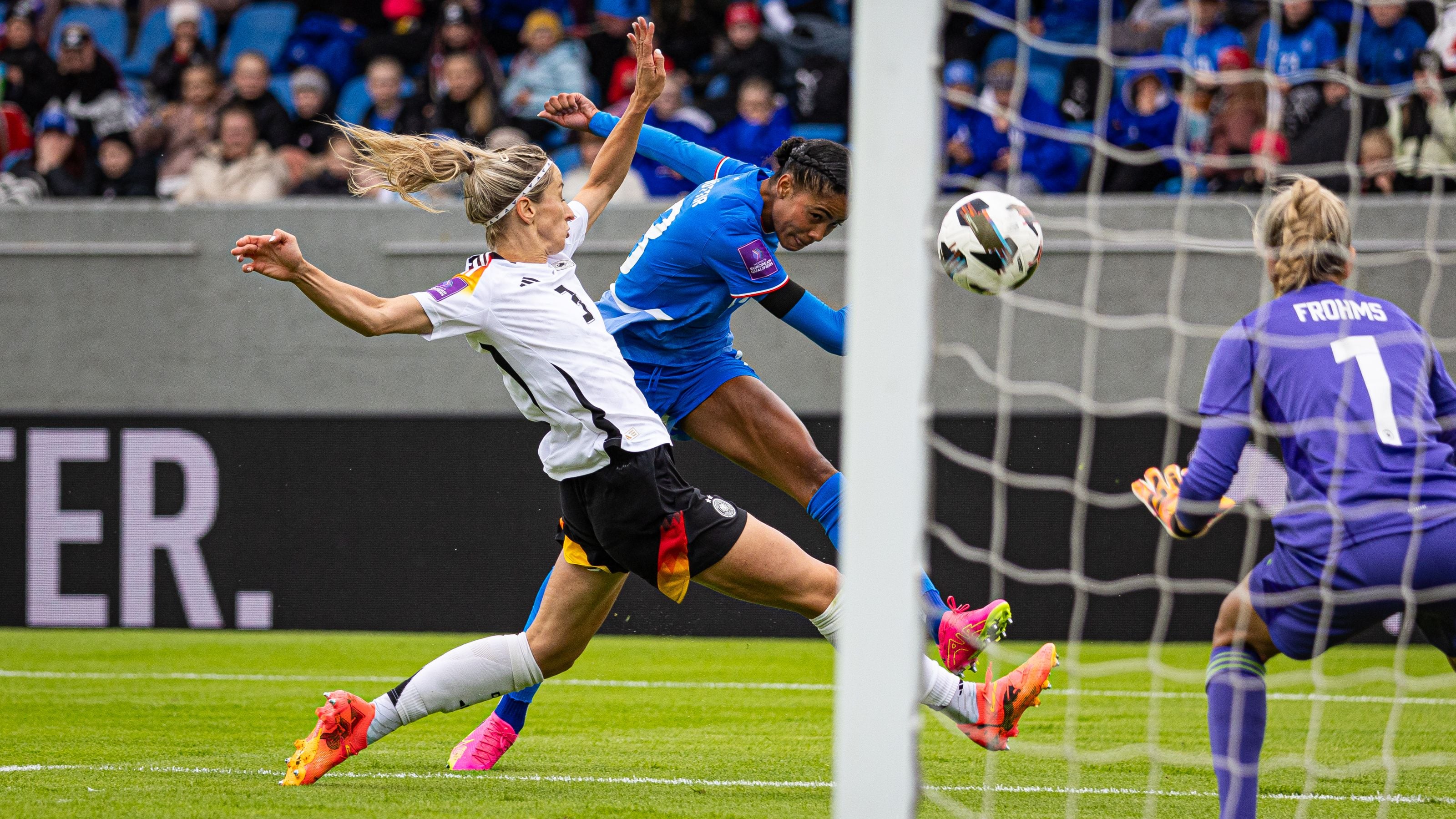
Ask a stadium one question, many times a second: where's the play?
It's the first question we taught a real place to answer, because live television depends on it. Get the answer in time and a robotic camera is on the striker as the ball hits the net. Get it late and the camera shows the empty grass where the moment was.
Our last post was about making the real world queryable. This one is about the first piece of software that asks.
Television runs on close-ups#
For most of its history, football was played for the people in the stadium. Today the cameras carry it. Broadcasters pay for the rights, sponsors pay for time on screen, and scouts judge players from what the cameras capture.
So anything that makes the picture better is worth real money. And the picture lives in the close-up: the joy after a goal, the face after a miss, the touch that lifts a crowd out of its seats.
People watch a match to feel it.
Optical zoom, not digital#
There are two ways to get a close-up. Digital zoom points a fixed wide camera at the pitch and cuts a small picture out of the frame. It's easy, and the detail viewers came for gets lost in the crop.
Optical zoom moves the lens itself. The camera turns and zooms onto the play, and the close-up keeps its full resolution. Viewers can see the difference.
The catch is time. A lens that has to move can be late. A wide shot is easy; a close-up means knowing where to look.
The question behind every shot#
A robotic camera can't guess. It needs to know where the play is right now: where the ball is, where every player is, and how fast each one is moving.
That's what the venue's live world model is for. Our own models find every player, with position and speed, and the model is updated many times a second. The cameras follow it, and each one keeps asking the same thing: where's the play, and what's my shot?
The second half of that question is answered by the playbook: the rules of what to look for and what to do, written as data, not code. In a football venue, every camera has a role. One holds the wide tactical view from a high angle. One stays tight on the ball. Two cover the goal areas and the corners, and two follow the flanks for runs, reactions and substitutions.
The playbook reads the moment, too. An attack down the left, a fast break, a scramble in the goalmouth: each one changes which shot each camera should hold. Change the playbook, and the same cameras tell the match a different way.
Two clocks#
Every shot races two clocks. The first is physics: lenses are heavy, and motors take time to turn them. The second is inference, the time a model needs to understand what it sees.
We can't make lenses lighter. We can keep the second clock short. Large general models are too slow for a live match, and sending the video to the cloud adds a round trip on top. By the time they answer, the play has moved.
So we built our own chain of small, fast models. Each of them answers in tens of milliseconds, and they all run inside the venue. OZ analyses and acts, instantly.
Graded before the first whistle#
Camera work is hard to test on a live match, because a live match never happens twice. So we test it in simulation first. Our simulator renders matches with exact ground truth; we know where each camera should have looked, and we grade where it did.
Then the real venues show us where the simulation is wrong, and we fix it. OZ Designer plans each venue's cameras before any hardware ships, so the first live match isn't the first test.
Installed once, live for every match#
The robotic optical cameras go on the wall, and the computers that run them go inside the venue. It's installed once, like the stadium lights, and it's live for every match after that.
Software does the watching; people make the calls. The customer produces its matches, or adds OZ production as a service. Through Managed Services we run the system in every venue.
The first question, not the last#
Camera control was the first software we built to ask a stadium a question. Live production is only the first application.
The questions after it will be asked of the same live model, in the same place, while the match is still being played. Making the real world queryable starts with one question. Ours was: where's the play?