Deep dive
Optical Zoom at Scale: Why Software-Defined Lenses Replace Physical Camera Rigs
Real broadcast-quality cameras with human-like AI movements. No pixelation, just crisp 4K detail.
Read MoreThe missing layer of physical AI: a live model of every real place, built inside it.
Installed once
Cameras, models and compute, inside the venue
Robotic optical cameras on the wall, OZ's own low-latency AI models, and the computers that run them, all inside the venue. Like the stadium lights, it's there for every match. No outside broadcast truck, and no camera crew on site.
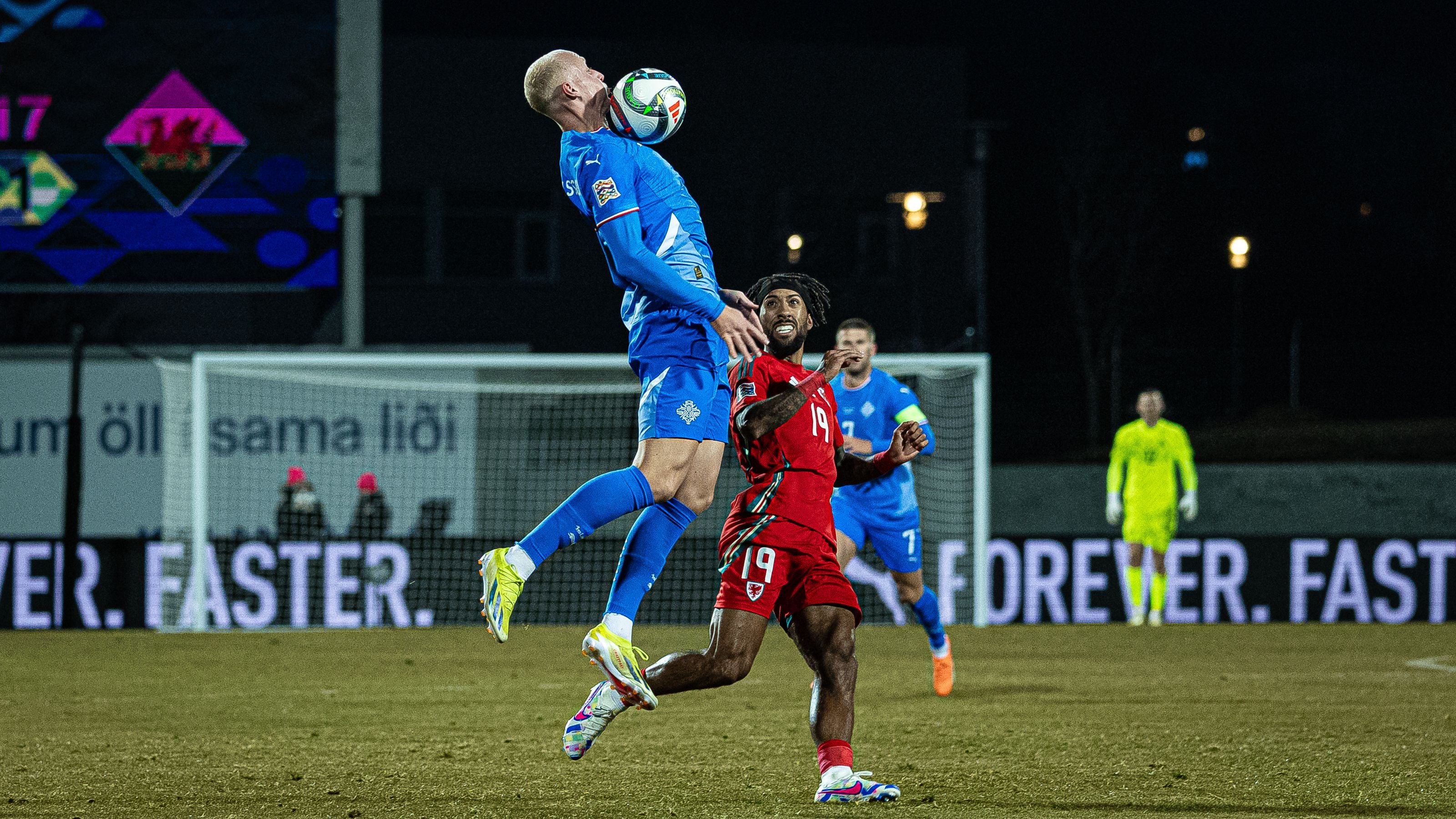
From detection to decision. OZ runs every part, so it can make the whole chain fast.
The edge data sensor.
The way into a venue. Astro sensors see the whole place at once and feed its live model. Astro is the sensor inside every OZ VI Venue.
Robotic optical cameras.
Robotic cameras with real optical zoom, and the compute that runs them, inside the venue. OZ installs the venue system and keeps it running. Your team runs match production, or adds OZ production as a service.
The world model engine.
ArcFlow keeps the live model of the venue: every player, the ball and every event, as it happens. Apps, analysis and models all read the same model.
Rules as data, not code.
Every decision follows a playbook: what to look for, what matters and what to do. Teams write and test playbooks in OZ Designer before they reach a venue.
We run every venue.
OZ runs every venue: monitoring, updates and repairs, from one place. The customer gets the output, not the upkeep.
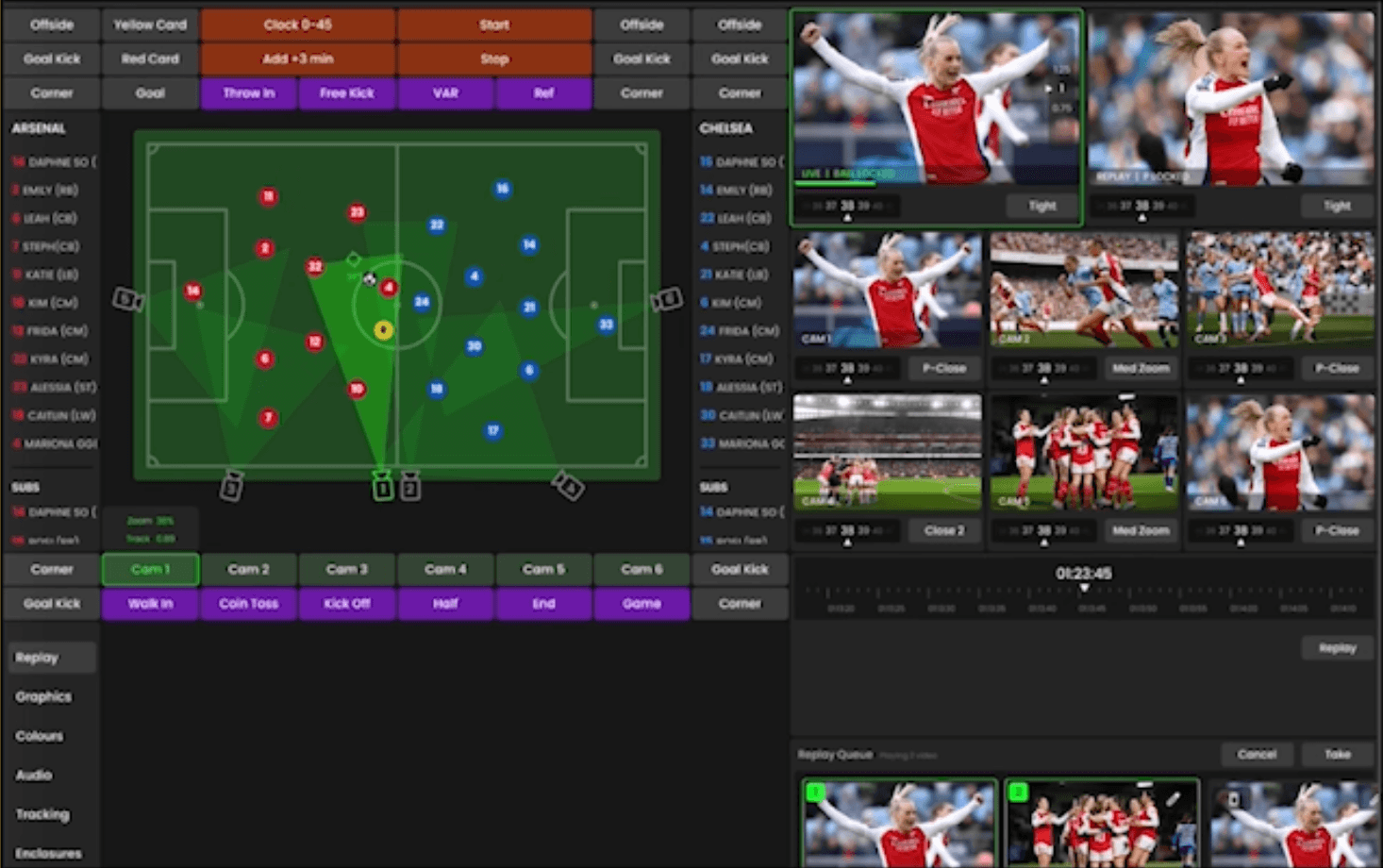
Only the first application.
Direct the game, not the cameras. The director says what to show, and the robotic cameras follow the play. VI Venue Director runs in a browser.
New places, same stack
Football is a hard place to prove it: the same pitch, 22 players and one ball, moving fast, every match. A new kind of place needs a new playbook, not a new product. In a port, the playbook follows loads, not players. On a street, traffic. In a restaurant, the tables. For a robot, the whole floor, not just its own view.
OZ's simulator renders matches with exact ground truth, so every model is tested before it reaches a real venue. Real venues then show where the simulation is wrong, and the fix goes back into it.
How it's licensed
A broadcaster or rights holder licenses OZ for each venue. The licence covers every match played there. OZ installs the system and runs it, and each new venue joins on the same terms.
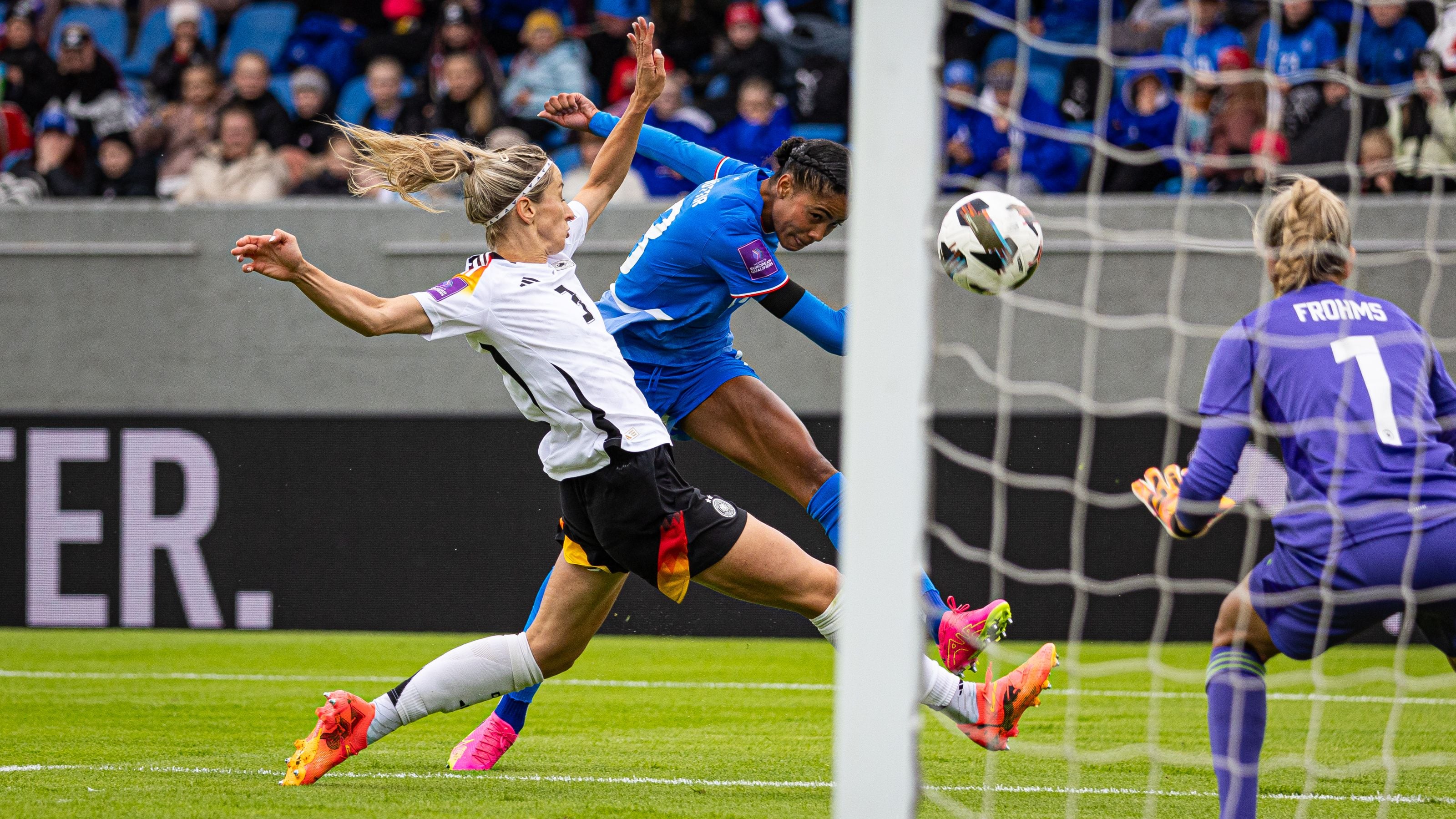
OZ is the missing layer of physical AI. Not guessing from old video, but understanding what is happening inside real places, as it happens.
Real broadcast-quality cameras with human-like AI movements. No pixelation, just crisp 4K detail.
Read MoreCloud inference is elastic. Edge inference is budgeted. Every model at the venue edge runs within a fixed compute and latency envelope, no exceptions.
Read MoreDeployment certainty starts before install. OZ Designer lets operators define zones, priorities, and capture policies, then replicate them across sites.
Read MoreInstall, commission, run, and recover, encoded as playbooks and policies. One venue equals a deployable system, not a project.
Read MoreThe gap between seeing and acting is where most AI systems stall. Spatial robotics closes that gap; real-time graph queries drive physical actuators with deterministic control.
Read More
Powerful GPUs sat idle at every venue while spatial queries crawled on the CPU. After years of accumulated problem statements, Gudjon Gudjonsson stopped patching workarounds and architected Arcflow, a spatial graph engine borrowed from the physics of 3D game engines.

One JSON file orchestrates six broadcast cameras through ninety minutes of live football, with no code, no compilation, no engineer in the loop. Dr. Bhagyashree Lad walks through the document that turned opaque camera logic into something a producer can read and a machine can execute.

A small, focused team with OZ's platform behind them can build a production infrastructure business that competes with companies ten times their size. Baldur Stefansson on why OZ grows through local partners, not sales offices.

What used to require multiple departments and large teams now fits in one role. Not through longer hours, but because AI eliminated the routine work that justified departments in the first place.

No broadcast truck. No camera operators. No cable runners. Two hours before kickoff at a Nordic venue, the entire production crew is one director opening a browser tab 200 kilometers away. This is what match day looks like when AI handles the mechanical decisions and the human handles the story.
During a live match, the Action Manager makes hundreds of decisions per minute while a director sets intent. Gudjon Gudjonsson realized OZ's engineers were doing the same thing with code, and rebuilt the entire development process around it.

A new hire used an AI agent to audit an entire subsystem in their first week (hundreds of files, thousands of lines) then identified the three issues that actually mattered. That is exactly the kind of person Chandni Desai is looking for.
Academic benchmarks test AI models on clean clips under controlled lighting. Live production tests them against rain, smoke, shifting floodlights, and players moving at full sprint for ninety continuous minutes. The gap between the two is where most perception systems fail.

A prototype passed every lab test: thermal cycling, waterproofing, UV, vibration. Six weeks at a coastal venue, and salt air found a path no simulation had predicted. Dr. Rushikesh Deshmukh on the failure modes that only real seasons reveal.
Six small enclosures on a gantry, a cabinet in a service room, fibre in the cable trays. A visitor would not notice anything different. But after five days of installation, the stadium sees, understands, and remembers every match it hosts.
Most AI companies die from the same disease: their costs scale as fast as their revenue. Baldur Stefansson draws the two-line chart that separates real infrastructure from linear replication dressed in growth language.
A production director asks the only question that matters: 'Just show me what I'm getting.' Sunil Kashyap answers with a complete walkthrough, from planning a venue to producing a live match to pulling data after the final whistle.
A football pitch is 105 meters of grass. Twenty-two players generate thousands of spatial events every ninety minutes. Historically, none of it was captured in a way software could understand. Gudjon Gudjonsson on the engine that gave the physical world a schema.
Powerful GPUs sat idle at every venue while spatial queries crawled on the CPU. After years of accumulated problem statements, Gudjon Gudjonsson stopped patching workarounds and architected Arcflow, a spatial graph engine borrowed from the physics of 3D game engines.
One JSON file orchestrates six broadcast cameras through ninety minutes of live football, with no code, no compilation, no engineer in the loop. Dr. Bhagyashree Lad walks through the document that turned opaque camera logic into something a producer can read and a machine can execute.
A small, focused team with OZ's platform behind them can build a production infrastructure business that competes with companies ten times their size. Baldur Stefansson on why OZ grows through local partners, not sales offices.
What used to require multiple departments and large teams now fits in one role. Not through longer hours, but because AI eliminated the routine work that justified departments in the first place.
No broadcast truck. No camera operators. No cable runners. Two hours before kickoff at a Nordic venue, the entire production crew is one director opening a browser tab 200 kilometers away. This is what match day looks like when AI handles the mechanical decisions and the human handles the story.
During a live match, the Action Manager makes hundreds of decisions per minute while a director sets intent. Gudjon Gudjonsson realized OZ's engineers were doing the same thing with code, and rebuilt the entire development process around it.
A new hire used an AI agent to audit an entire subsystem in their first week (hundreds of files, thousands of lines) then identified the three issues that actually mattered. That is exactly the kind of person Chandni Desai is looking for.
Academic benchmarks test AI models on clean clips under controlled lighting. Live production tests them against rain, smoke, shifting floodlights, and players moving at full sprint for ninety continuous minutes. The gap between the two is where most perception systems fail.
A prototype passed every lab test: thermal cycling, waterproofing, UV, vibration. Six weeks at a coastal venue, and salt air found a path no simulation had predicted. Dr. Rushikesh Deshmukh on the failure modes that only real seasons reveal.
Six small enclosures on a gantry, a cabinet in a service room, fibre in the cable trays. A visitor would not notice anything different. But after five days of installation, the stadium sees, understands, and remembers every match it hosts.
Most AI companies die from the same disease: their costs scale as fast as their revenue. Baldur Stefansson draws the two-line chart that separates real infrastructure from linear replication dressed in growth language.
A production director asks the only question that matters: 'Just show me what I'm getting.' Sunil Kashyap answers with a complete walkthrough, from planning a venue to producing a live match to pulling data after the final whistle.
A football pitch is 105 meters of grass. Twenty-two players generate thousands of spatial events every ninety minutes. Historically, none of it was captured in a way software could understand. Gudjon Gudjonsson on the engine that gave the physical world a schema.